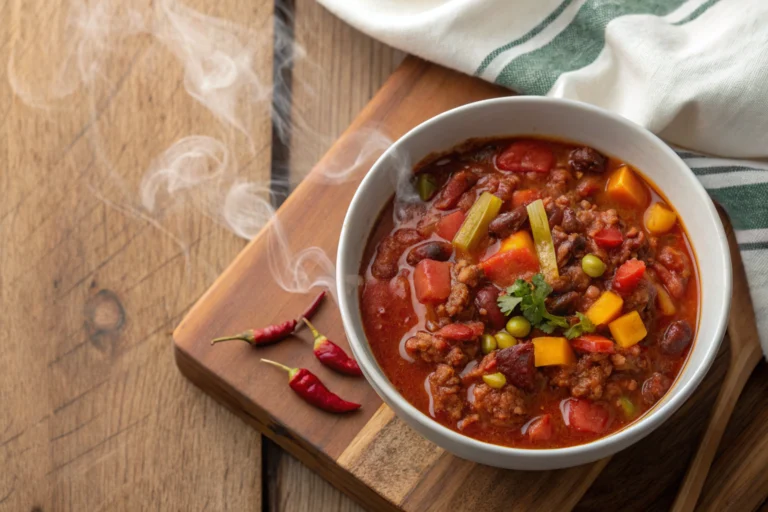
Vegan Recipes – The Best 12 Delicious Ideas for a Healthier Life
Vegan recipes have become a staple in my kitchen—not just for health, but for creativity, culture, and compassion. I’m Lilah Osher, a Colorado native raised on garden herbs and Hungarian family dishes. From my dad’s backyard hives to my mom’s paprika-stained aprons, food has always been about connection.
After training at the Culinary Institute of America and cooking around the world, I found joy in plant-based meals that nourish both body and planet. Vegan recipes aren’t about restriction—they’re about possibilities. Whether you’re new to this lifestyle or looking to expand your repertoire, this guide offers everything from pantry tips to protein-packed meals and global flavors.
Check out Carrot and Spinach Couscous Recipe for a delicious place to start your journey.
Table of Contents
Table of Contents
Understanding Vegan Recipes
What Are Vegan Recipes?
Vegan recipes are plant-based meals made without any animal products—no meat, dairy, eggs, or honey. Instead, they rely on wholesome ingredients like vegetables, grains, legumes, nuts, seeds, and plant-based proteins to deliver flavor and nutrition.
These meals can be anything from hearty lentil stews and tofu stir-fries to vibrant salads and creamy cashew sauces. The idea is to nourish your body using natural, minimally processed foods. A bowl of oats with almond milk and berries? That’s vegan. So is a spicy black bean chili or quinoa bowl with roasted veggies.
Vegan recipes don’t require fancy skills—just fresh ingredients and a little creativity. Even beginners can enjoy simple dishes like stir-fried vegetables, chickpea curry, or plant-based pasta with tomato basil sauce.
Looking for inspiration? Try our Edamame Egg Salad Recipe—a quick, high-protein lunch that’s flavorful and easy to make.
Key Food Groups in Vegan Cooking
To build balanced meals, focus on:
| Group | Examples | Nutrients |
|---|---|---|
| Legumes | Lentils, chickpeas | Protein, fiber, iron |
| Whole Grains | Quinoa, oats, brown rice | B vitamins, complex carbs |
| Vegetables | Kale, spinach, broccoli | Fiber, calcium, antioxidants |
| Fruits | Bananas, citrus, berries | Vitamin C, potassium |
| Nuts & Seeds | Chia, flax, almonds | Omega-3s, healthy fats |
| Plant Proteins | Tofu, tempeh, soy milk | Protein, calcium, iron |
These ingredients form the base of most vegan recipes, offering variety, flavor, and nourishment in every bite.
Benefits of Eating Vegan
Health Advantages of Vegan Recipes
Switching to vegan recipes offers a variety of health perks. Because plant-based meals are naturally free from cholesterol and low in saturated fat, they can support heart health, lower blood pressure, and improve overall wellness.
People often experience better digestion, more energy, and even clearer skin. Thanks to high fiber and antioxidant content, vegan meals also help reduce inflammation and support a healthy gut.
Studies link vegan diets to lower risks of chronic illnesses like type 2 diabetes, obesity, and some cancers. With fruits, vegetables, legumes, and grains at the core, vegan recipes are both nourishing and satisfying—making it easier to eat well every day.
Environmental and Ethical Benefits
Beyond personal health, adopting vegan recipes can reduce your environmental footprint. Plant-based eating requires fewer resources and generates fewer emissions than animal agriculture, making it one of the simplest ways to support sustainability.
There’s also the ethical side—every meat-free meal is a small step toward a more compassionate food system. Choosing cruelty-free dishes shows respect for animals and promotes conscious living.
Even small changes—like opting for oat milk or trying one plant-based dinner per week—can have a big impact over time.
Discover great ideas like Veggie Pizza Recipe to start enjoying eco-friendly meals that don’t compromise on flavor.
Popular Vegan Recipes Loved Worldwide
Global Vegan Favorites
Around the world, plant-based cooking has deep roots in traditional cuisines. Many classic dishes were naturally vegan long before it became a trend. Exploring these global flavors adds richness to your weekly menu and proves that vegan recipes can be just as satisfying and diverse as any diet.
- India: Chana masala, a spicy chickpea stew, is a staple. Pair it with rice or flatbread and you’ve got a protein-packed, comforting meal.
- Thailand: Vegan pad Thai made with tamarind, tofu, and rice noodles is tangy, savory, and full of texture.
- Middle East: Falafel, tabbouleh, and hummus are time-tested vegan delights made from legumes, herbs, and olive oil.
- Mexico: Black bean tacos, guacamole, and roasted corn salsa bring bold flavors without animal products.
- Ethiopia: Injera with lentil stews (misir wot) offers a fermented flatbread experience full of earthy spices.
These dishes are not only delicious—they’re cultural expressions of how plants have always played a leading role in the world’s favorite meals.
Regional Vegan Specialties You Should Try
In the U.S., vegan recipes have evolved from simple salads into full-blown comfort classics. With the help of plant-based innovation, we now enjoy:
- Vegan Retinol Carrot Salad.
- Vegan Carrot Cake Pancakes.
- High-Protein Vegan Grain Bowl.
- Vegan Greek Sliders.
Cities like Los Angeles, Portland, and Austin have become hubs of vegan creativity, but you don’t need to live there to enjoy the flavors. With a few pantry staples and some creativity, you can bring these dishes into your own kitchen.
Everyday Vegan Meal Ideas
Vegan Breakfasts to Power Your Morning
Starting your day with vegan recipes is easier than you might think. Whether you prefer something light or hearty, there are plant-based breakfast options that check all the boxes: quick, tasty, and energizing.
Here are a few ideas to kickstart your mornings:
- High-Protein Vegan Grain Bowl focuses on protein-rich bowls with ingredients like tofu, quinoa, and chickpeas.
- Tofu Benedict with Vegan Hollandaise; a plant-based take on the classic Eggs Benedict, a soy milk-based hollandaise sauce.
- High-Protein Vegan Grain Bowl topped with granola, banana slices, and flaxseeds
- Vegan Carrot Cake Pancakes using flaxseed “eggs” and oat flour
These meals are rich in fiber and healthy fats, keeping you full longer while fueling your day. Plus, they’re customizable to fit whatever ingredients you have on hand.
Don’t miss our Smoothie Bowls for Weight Loss if you’re looking for a light, nutrient-packed start to your day.
Easy Vegan Lunches and Satisfying Dinners
Midday and evening meals are where vegan recipes really shine. From protein-packed salads to warm, savory bowls, it’s easy to create meals that hit every flavor note without animal products.
Here are some crowd-pleasers:
- Vegan Chickpea Salad Sandwich
- Vegan Sushi Bowl
- Curry Quinoa Salad with Grapes and Walnuts
- Vegan Egg Salad Sandwich
- Vegan Chicken and California Grape Salad
- Vegan Shepherd’s Pie
- Vegan Lentil Bolognese
- Creamy Mushroom Pasta
When you’re short on time, prepped ingredients like canned beans, frozen veggies, and cooked grains make assembly a breeze.
Check out Benign Potato Soup Recipe for a cozy, easy dinner option that proves comfort food can be completely plant-based.
Essentials in a Vegan Pantry
Must-Have Plant-Based Ingredients
Every great plant-based kitchen starts with the right staples. By keeping your pantry stocked with versatile, nutrient-dense ingredients, creating vegan recipes becomes quick, affordable, and exciting. Whether you’re cooking weeknight meals or experimenting on weekends, a solid pantry is your best ally.
Here’s a breakdown of essential categories and what to keep on hand:
| Category | Examples |
|---|---|
| Whole Grains | Brown rice, quinoa, oats, bulgur, couscous |
| Legumes | Chickpeas, black beans, lentils, split peas |
| Plant-Based Milks | Almond, oat, soy, coconut |
| Protein Sources | Tofu, tempeh, edamame, canned beans |
| Canned Goods | Diced tomatoes, coconut milk, vegetable broth |
| Healthy Fats | Olive oil, avocado oil, nut butters |
| Nuts & Seeds | Chia, flaxseed, almonds, pumpkin seeds |
| Flavor Builders | Tamari, nutritional yeast, tahini, garlic powder |
| Herbs & Spices | Cumin, paprika, turmeric, basil, rosemary |
With these basics, you can create a wide variety of dishes—from soups and stews to grain bowls and baked treats—without having to run to the store every day.
Check out Low Carb Bread Benefits & Recipe Ideas to expand your pantry with delicious vegan-friendly baked options.
Smart Substitutes for Animal Products
One reason many people hesitate to try vegan meals is uncertainty around replacements for familiar ingredients. Fortunately, you don’t have to give up your favorite dishes—just learn how to swap effectively.
Here are some common substitutions used in vegan recipes:
| Replace This | Try This Instead |
|---|---|
| Milk | Oat milk, almond milk, soy milk |
| Butter | Vegan margarine, coconut oil, olive oil |
| Cheese | Nutritional yeast, cashew cheese, plant-based brands |
| Eggs (in baking) | Flax eggs, chia eggs, applesauce, mashed banana |
| Meat | Tempeh, seitan, jackfruit, lentils, mushrooms |
| Cream | Full-fat coconut milk, blended tofu or cashews |
These substitutions aren’t just practical—they’re tasty. For example, coconut milk adds richness to curries, and flax eggs work beautifully in pancakes or brownies. You’ll quickly find that many classic meals are easy to veganize without compromising flavor or texture.
Discover great ideas like Butter-Free Banana Bread Recipe to see just how simple and delicious plant-based baking can be.
Build Your Pantry, Build Your Confidence
As you grow your collection of pantry essentials, you’ll gain the flexibility to create satisfying meals anytime. The key to mastering vegan recipes is not in complexity—it’s in preparation. By organizing your kitchen and learning basic substitutions, you’ll set yourself up for success.
Looking to make meal prep easier? Check out Bulk Recipes: Saving Time for helpful tips that turn everyday ingredients into flavorful, ready-to-go meals.
A well-stocked pantry empowers you to explore global cuisines, try new cooking techniques, and stay inspired on your plant-based journey. Keep the staples close, the flavors bold, and the process simple—your next favorite recipe is just a few ingredients away.
How to Cook Vegan Recipes Easily
Tips for Quick and Simple Plant-Based Cooking
Getting started with vegan recipes doesn’t have to be overwhelming. In fact, some of the most satisfying meals are the simplest. Whether you’re cooking for one or feeding a family, a few smart habits can make plant-based cooking feel easy—even on your busiest days.
Here are some tips to help you cook with confidence:
- Plan ahead: Batch-cook ingredients like grains, beans, and roasted vegetables. Store them in the fridge for quick mix-and-match meals.
- Stick to short ingredient lists: Choose recipes with 10 ingredients or fewer. Stir-fries, grain bowls, and pasta dishes come together fast.
- Use store-bought shortcuts: Frozen veggies, canned beans, and pre-chopped produce can save valuable time without sacrificing nutrition.
- Master one-pot meals: Vegan chili, curry, and pasta dishes made in a single pot mean less cleanup and more flavor.
- Elevate with sauces: A great sauce—like tahini garlic, cashew cream, or lemon herb—can take any dish to the next level.
Once you get into a rhythm, you’ll realize how accessible and enjoyable cooking with vegan recipes can be. You don’t need fancy equipment or exotic ingredients—just a few good habits and a well-stocked pantry.
Must-Have Kitchen Tools for Vegan Cooks
While you don’t need an expensive kitchen to make delicious food, a few tools can make cooking vegan recipes much easier and more enjoyable. They help save time, boost consistency, and open up new techniques you’ll love using.
Here’s a list of tools worth adding to your setup:
| Tool | Use |
|---|---|
| Blender | For smoothies, sauces, and creamy soups |
| Food processor | Ideal for chopping veggies, mixing doughs, and dips |
| Air fryer | Crisps tofu, veggies, and fries with little or no oil |
| Sheet pans | Roast large batches of vegetables all at once |
| Pressure cooker | Speeds up cooking beans, grains, and stews |
| Non-stick skillet | Perfect for sautéing tofu and vegetables |
These tools don’t just streamline your process—they expand what’s possible in your kitchen. Making homemade hummus or dairy-free alfredo sauce becomes a breeze with the right blender or food processor.
Don’t miss our Air Fryer Keto Recipes for ideas that can easily be adapted to suit plant-based diets.
Make Cooking a Daily Habit
Creating vegan recipes at home doesn’t have to be complicated. Once you’ve built a routine, even the simplest meals can feel gourmet. Keep a few reliable dishes in your weekly rotation, experiment with new ingredients when time allows, and don’t stress about perfection.
Focus on progress, not complexity. Every time you cook at home, you gain more control over your health, budget, and the environment. Plus, there’s real joy in making a colorful, flavorful meal from scratch.
With a little prep, a few kitchen tools, and the right mindset, vegan recipes become not just easy—but enjoyable.
Vegan Protein Sources Explained
Vegan Protein Sources Explained
Top Protein-Rich Ingredients in Vegan Recipes
One of the most common concerns about a plant-based diet is protein. But the truth is, vegan recipes can provide all the protein your body needs—without relying on animal products. In fact, many plants are packed with protein, fiber, and essential nutrients, offering a cleaner, more digestible source of fuel.
Here are some of the best protein-rich ingredients to include in your daily meals:
| Ingredient | Protein per Serving | Notes |
|---|---|---|
| Lentils | 18g per cup (cooked) | Great in soups, curries, and salads |
| Chickpeas | 15g per cup (cooked) | Perfect for hummus and stews |
| Tofu | 10g per ½ cup | Extremely versatile in savory dishes |
| Tempeh | 21g per cup | Fermented, nutty, and great for grilling |
| Quinoa | 8g per cup (cooked) | A complete protein grain alternative |
| Edamame | 17g per cup (shelled) | Excellent for snacking or stir-fries |
| Black Beans | 15g per cup (cooked) | Use in tacos, bowls, or burgers |
| Chia Seeds | 5g per 2 tbsp | Ideal for smoothies and puddings |
| Seitan | 21g per 3 oz | Wheat-based, chewy texture, very high-protein |
Many of these ingredients form the base of high-protein vegan recipes. Combine grains and legumes to get complete proteins and meet your daily requirements with ease.
Don’t miss our High Protein Dinner Recipes – Easy Meals to explore creative ways to boost your protein intake using simple, whole-food ingredients.
Meeting Your Daily Protein Needs on a Vegan Diet
The average adult needs about 0.8 grams of protein per kilogram of body weight. For most people, that’s between 46–56 grams per day. With well-balanced vegan recipes, it’s easy to meet or exceed that target—no animal products necessary.
Here’s how you can structure a typical day:
- Breakfast: Overnight oats with chia seeds and almond butter (12–15g protein)
- Lunch: Quinoa salad with black beans, corn, and avocado (20g protein)
- Dinner: Tofu stir-fry with brown rice and broccoli (25g protein)
- Snack: Hummus with whole grain crackers or roasted edamame (10g protein)
In total, that’s around 65–70 grams—more than enough for most adults. With variety and planning, plant-based meals can offer both complete nutrition and incredible flavor.
Why Plant-Based Protein Is a Smarter Choice
Plant proteins bring more than just muscle support. They’re often lower in saturated fat, free of cholesterol, and come with fiber and antioxidants that help protect your heart, reduce inflammation, and support digestion.
Unlike some animal proteins, they don’t tax the kidneys or raise cholesterol levels. Plus, they’re environmentally friendly, with a much smaller carbon footprint.
When you center your meals around plant proteins, your vegan recipes naturally become healthier and more sustainable. From lentil tacos to quinoa-stuffed peppers, there’s no shortage of delicious, protein-packed dishes to explore.
Check out Chickpea and Flaxseed Salad Recipes for a high-protein salad that delivers big on flavor and texture.
Conclusion
Vegan recipes offer more than just meals—they offer a lifestyle rooted in wellness, sustainability, and creativity. Whether you’re here for better health, a lighter environmental footprint, or to explore new flavors, embracing plant-based cooking puts you in control of what you eat and how it impacts the world around you.
From quick weeknight dinners and protein-packed lunches to globally inspired dishes and nutrient-rich snacks, there’s a world of options waiting in your kitchen. The key is to start small, stay curious, and keep experimenting. Every stir-fry, salad, and smoothie is a step toward a more conscious way of living.
So go ahead—rethink your plate, try something new, and discover how delicious life can be with vegan recipes at the center of it.
Don’t miss our Cold Pressed Juice Recipes to complement your plant-based meals with a refreshing, nutrient-packed twist.
For visual inspiration and more culinary ideas, follow us on Instagram. You’ll discover stunning presentations and helpful tips to perfect your dishes! You can also join the conversation and share your creative twists on Snapper recipes with our Facebook community. Connect with other food enthusiasts and exchange ideas.
To find more recipes, follow me on Pinterest or my Facebook community!
Frequently Asked Questions
Find answers to common questions